


Choosing the right reproductive health options in the Philippines can be tough. Women need clear, reliable info. Manual Vacuum Aspiration is a safe, well-known method in gynecology.
This guide aims to help you understand Manual Vacuum Aspiration. It covers standard medical practices and safety. We want to support those looking for trustworthy health info in the Philippines.
Key Takeaways
- Manual Vacuum Aspiration is a standard, evidence-based gynecological procedure.
- Safety and patient well-being remain the primary focus during clinical care.
- Access to accurate information empowers women to make informed health decisions.
- The procedure follows strict medical protocols to ensure effective outcomes.
- Understanding the clinical context helps navigate reproductive health options in the Philippines.
Understanding the Manual Vacuum Aspiration Procedure
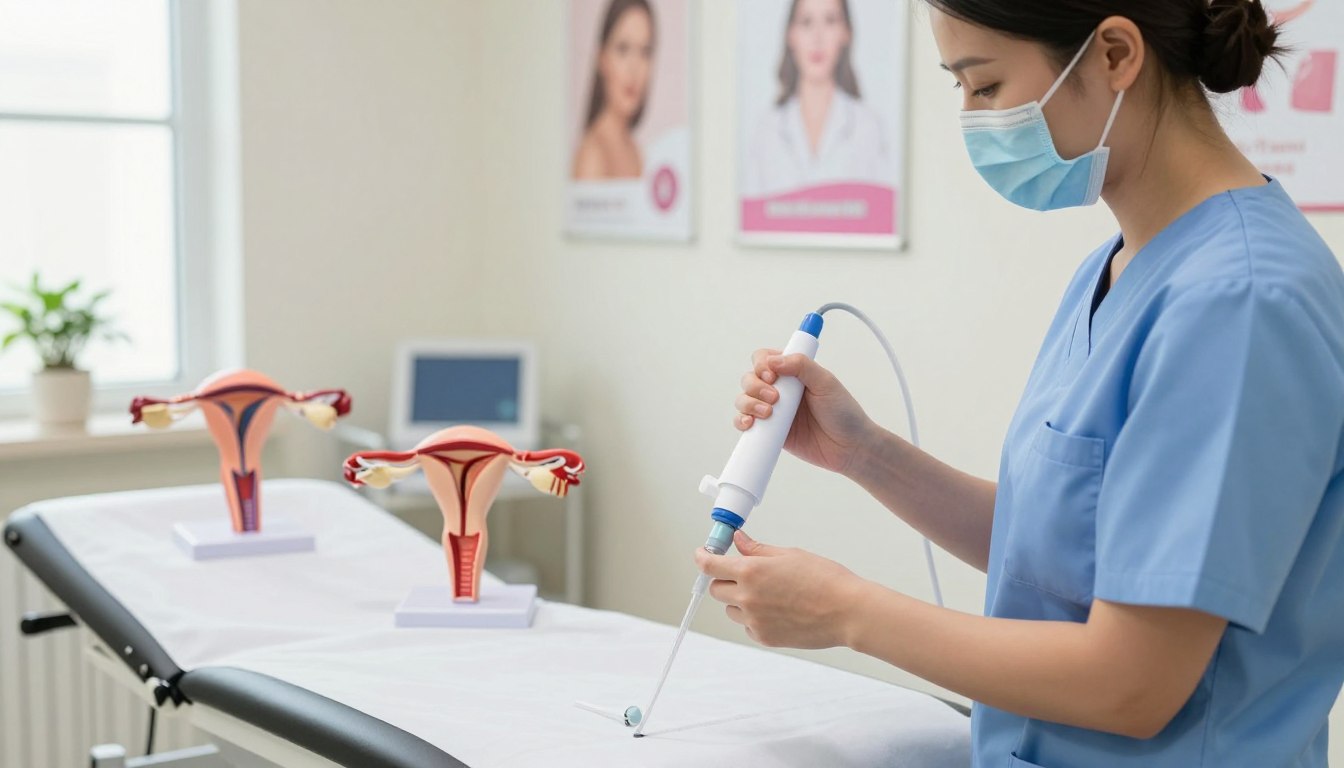
The Manual Vacuum Aspiration (MVA) method is a big step forward in safe gynecological care. It empties the uterine cavity gently and efficiently with a special handheld device. Unlike electrical machines, it uses controlled suction for a portable and reliable solution.
What is the MVA Method and How Does It Work?
The MVA method uses a high-quality syringe to create a vacuum seal. When activated, it makes a consistent, low-pressure suction. This safely removes the uterus contents.
The device is handheld, giving the practitioner full control. This allows for a more personalized approach to care. It ensures the procedure is done with the patient’s comfort and physical response in mind.
Medical Context and Safety Standards in the Philippines
Following strict medical safety standards is crucial for women in the Philippines. Proper hygiene, sterile equipment, and a clean environment are essential. Clinicians must follow established protocols to ensure the procedure meets high clinical benchmarks.
The table below shows the main differences between MVA and traditional methods. It highlights why safety and precision are key.
| Feature | Manual Vacuum Aspiration | Traditional Methods |
|---|---|---|
| Power Source | Handheld Vacuum | Electric Suction |
| Portability | High | Low |
| Noise Level | Silent | High |
| Safety Profile | High (Controlled) | Variable |
By focusing on clinical standards, healthcare providers in the Philippines can offer a safer experience. Always choose a facility that follows these rigorous guidelines to protect your reproductive health.
Identifying When the Procedure is Necessary
Many women in the Philippines wonder when a delayed period needs a doctor’s help. Knowing when to act is key for your health. Always talk to a healthcare provider before making any decisions.
Recognizing Signs of a Delayed Period or Incomplete Miscarriage
Physical symptoms often signal that you need medical attention. If your pregnancy is 8 to 12 weeks late, you might feel persistent cramping or irregular bleeding. These signs could mean you’re having an incomplete miscarriage, which needs fast cleaning of the uterus after a delayed period to avoid problems.
Persistent pain or fever are red flags for infection. If you think your body hasn’t cleared the uterine lining, get a medical check-up. Early detection helps manage the situation better and lowers the risk of health problems later on.
Distinguishing Between Chemical and Mechanical Uterine Cleaning
The right method depends on your health history and how long you’ve been delayed. Chemical methods are common but might not always work fully. A mechanical kit is often chosen for its accuracy and efficiency in clinics.
The catheter method is talked about a lot in the Philippines for uterine health. But, a tubo kit for delayed period management is a specialized tool that needs training. The table below shows the main differences between these methods to help you understand your choices.
| Feature | Chemical Method | Mechanical Kit |
|---|---|---|
| Primary Mechanism | Medication-induced | Suction-based |
| Typical Duration | Several days | Short procedure |
| Clinical Oversight | Required | Highly recommended |
| Common Usage | Early stage | 8-12 weeks |
When looking at the catheter method Philippines standards, always choose safety and sterility. Getting professional advice ensures you get the right care for your situation. Never try these methods without medical knowledge or proper equipment.
Essential Components of an MVA Kit
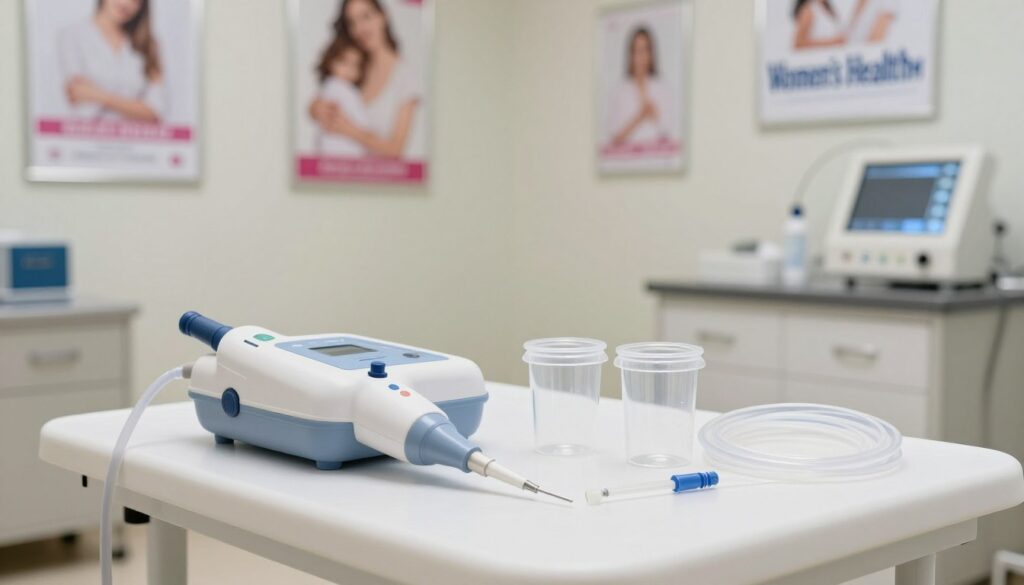
When looking for a surgical cleaning kit first trimester ph, it’s key to know the tools involved. Many people searching for a suction kit pamparegla get lost in the many choices online. Knowing what makes a professional-grade set is crucial for your health.
Breakdown of the Syringe and Karman Cannula
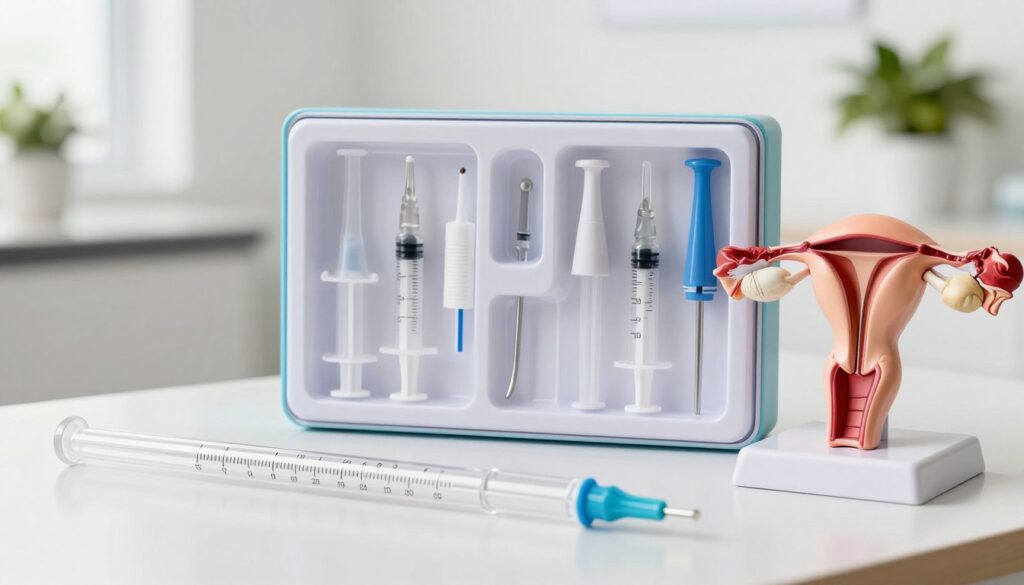
A t-u-b-o set has two main parts: the MVA syringe and the Karman cannula. The syringe creates the vacuum, and the cannula is the flexible tube used for the procedure. The mva syringe and karman cannula price ph changes based on brand and extra accessories.
“Quality medical equipment is the foundation of patient safety and successful outcomes in any clinical setting.”
Choosing the right cannula size is important for the procedure’s success. The correct size ensures both efficiency and comfort. Always check that these items are individually sealed and sterile before use.
Verifying the Authenticity of Your Mechanical Kit
If you’re looking to buy manual vacuum aspiration kit philippines, authenticity is key to avoid low-quality products. A complete tubo set for sale should have medical-grade packaging with clear expiration dates and manufacturer details. Be cautious of listings for a complete suction kit for sale manila without proper documentation or clear branding.
When researching an mva kit ph, look for sellers who share clear information about their supply chain. Genuine kits ensure a consistent vacuum, which is crucial for a safe experience. Never settle for anything less than quality when your health is at risk.
Sourcing and Availability of MVA Kits in the Philippines
Finding the right medical supplies requires knowing where to look and how to get them. When you need to order authentic MVA kit online, focus on quality and sterility. It’s crucial to find a legit tubo method seller proof to ensure you get reliable tools.
Navigating Online Marketplaces for Authentic Equipment
Many people look for original mva aspiration kits on social media and forums. Make sure the seller offers mva hardware set cash on delivery so you can check the items first. Look for positive feedback and clear communication to avoid delayed deliveries.
“Quality medical care begins with access to the right tools, provided through transparent and secure channels.”
Regional Availability: From Metro Manila to Davao and Cebu
Looking for a tubo method seller Quezon City or a buy tubo catheter kit Cebu area? Availability has grown in major cities. In Manila, you can find tubo method kits easily. In the south, finding a manual vacuum aspiration kit delivery Davao is now common.
Same-Day Delivery Options via Lalamove and Courier Services
When time is crucial, same-day delivery is a big plus. Many suppliers offer tubo at catheter Lalamove delivery. If you need an mva kit seller Metro Manila same day, these services are fast. People in nearby provinces can also get cavite laguna lalamove mva kit delivery, making it easy to get what you need.
Ensuring Discreet and Secure Packaging for Deliveries
Privacy is a big concern for many. Reputable sellers use tubo method cod nationwide shipping with plain packaging. Whether you’re looking for an mva syringe available Pampanga / Bulacan or a special delivery, your privacy is protected. Choosing vendors who focus on discreet and secure packaging lets you manage your health needs confidently.
Preparing for the Procedure at Home
Creating a safe space at home is key before any medical treatment. Proper preparation lowers the risk of problems and helps you focus on getting better.
Choose a quiet, private room for the procedure. You’ll need a clean, flat surface like a table or bed. Make sure the area has excellent lighting for clear vision and focus.
Creating a Sterile Environment for the Process
Keeping the area clean is crucial to avoid infection. Start by cleaning the surface with a medical-grade disinfectant or alcohol solution. Clear the room of clutter to prevent dust and debris.
Wash your hands well with soap and water for twenty seconds before touching anything. Use disposable gloves if you can. Keep pets and others away to protect your sterile area.
Necessary Supplies Beyond the Kit
The MVA kit has the main tools, but you’ll need more for safety and comfort. Have everything ready to avoid moving once you start. Put these items on a clean tray or towel.
The table below lists the extra supplies you should have ready:
| Category | Item | Purpose |
|---|---|---|
| Hygiene | Antiseptic Solution | Cleaning the external area |
| Protection | Sterile Gloves | Preventing cross-contamination |
| Comfort | Clean Linens | Providing a sanitary base |
| Monitoring | Digital Clock | Tracking time and intervals |
| Waste | Sealable Bags | Safe disposal of materials |
Make sure your supplies are unexpired and sealed in their original packaging. Having a phone nearby for emergencies is also important. By organizing these items ahead of time, you create a safe environment for your procedure.
Step-by-Step Guide to the Tubo Method
Using the t u b o method needs a calm place and knowing the steps. Make sure the area is clean and controlled for the best results.
Positioning and Preparation for the Procedure
Getting into the right position is key. Find a quiet spot where you can lie down with your knees up and feet flat. This is called the lithotomy position.
Before you start, lay out your tubo method kit / tubo at catheter on a clean surface. Take a deep breath to relax. Make sure everything you need is within reach to avoid moving around too much.
Executing the Suction Process Safely
Be very careful and patient during suction. Start by gently putting in the catheter with enough lubrication to avoid irritation. Then, connect the syringe to make the vacuum.
Keep your hand steady while using the syringe. Move slowly and carefully. If you feel a lot of resistance, stop and check your position before trying again.
Monitoring Physical Responses During the Procedure
Your body will tell you if something’s not right. It’s okay to feel a little crampy, but watch out for too much pain or feeling dizzy. Listen to your body to stay safe.
If you feel dizzy or the pain gets too sharp, stop and rest. Have your tubo method kit / tubo at catheter ready, but focus on your health first. Staying calm and alert helps you manage the process safely.
Post-Procedure Care and Recovery
After your procedure, it’s important to take the right steps for a smooth recovery. Your body needs time to heal. By following a structured health plan, you can reduce risks and get back to your daily life faster.
Managing Discomfort and Monitoring Bleeding
It’s normal to feel some cramping as your uterus goes back to normal. You can use over-the-counter pain meds like paracetamol or ibuprofen. Just remember to follow the dosage instructions carefully.
Watching your bleeding is key to healing. Light to moderate bleeding is okay, but keep track of how many pads you use each day. This helps you see if your bleeding is getting lighter as expected.
When to Seek Professional Medical Attention
Most recoveries go well, but watch out for warning signs. If you notice any of these, get medical help right away:
- Soaking through more than two large sanitary pads per hour for two hours in a row.
- A fever over 38°C that lasts more than 24 hours.
- Severe belly pain that doesn’t get better with pain meds.
- Foul-smelling vaginal discharge, which could mean an infection.
Hygiene Practices to Prevent Infection
Keeping clean is the best way to avoid problems during recovery. Your body is more open to bacteria now, so be extra careful. Cleanliness is your best defense against health issues.
Avoid tampons or menstrual cups for at least two weeks. Use sanitary pads and change them often to keep the area dry. Also, don’t take baths, swim, or use hot tubs. These can let bacteria into your cervix while it’s still healing.
Addressing Failed Cytotec and Alternative Solutions
If Cytotec failed in the Philippines and you’re wondering what to do, stay calm. It’s crucial to focus on your health. Many people face issues when medication doesn’t fully empty the uterus. Knowing why this happens can guide your next steps.
Why Chemical Methods May Not Always Succeed
Chemical methods work differently for everyone. The exact gestational age, the quality of the medication, and hormonal levels affect success. Sometimes, the body doesn’t respond as needed.
Also, wrong dosage or timing can cause incomplete results. This might lead to prolonged bleeding or pain. Spotting these signs early is key for your safety and health.
Transitioning from Medication to Mechanical Intervention
When meds don’t work, many seek a non chemical solution for missed menstruation. Mechanical methods, like Manual Vacuum Aspiration (MVA), are often chosen. This method is reliable and done by experts.
Switching to a mechanical approach offers a safer recovery. It’s more predictable than chemical methods that fail. Here’s a comparison to show the differences.
| Feature | Chemical Method | Mechanical (MVA) |
|---|---|---|
| Primary Mechanism | Hormonal stimulation | Physical suction |
| Success Rate | Variable | High |
| Duration | Several hours to days | Short procedure |
| Reliability | Dependent on body response | Consistent results |
Legal and Ethical Considerations for Women
Every woman in the Philippines needs to understand the laws and ethics of medical procedures. Knowing how local laws and personal health needs fit together is key. Being well-informed helps make sure your choices are safe and responsible.
Understanding Reproductive Health Rights in the Philippines
The Philippines has complex rules about reproductive health. Knowing these laws is crucial. It lets women fight for their health within the current system.
Always ask about what’s allowed under local rules. Talking to trusted doctors can help you understand your rights. This way, you avoid bad information and stay safe legally.
Prioritizing Personal Health and Safety Above All
When making tough medical choices, your health comes first. Prioritizing your safety means choosing safe methods. Avoiding risky practices is key.
Good healthcare starts with informed decisions. You should trust your ability to find reliable help. By focusing on your health, you’re choosing the best for your future. Your health is your most valuable asset, and protecting it is a big responsibility.
Conclusion
Deciding about reproductive health needs clear info and a focus on safety. Knowing about the MVA procedure helps women in the Philippines make smart choices about their bodies.
Having reliable knowledge is key to better health. By choosing sterile practices and seeking medical advice, you take control of your health. Every step towards learning reduces risks and helps in a safe recovery.
Your health is the top priority in any medical journey. Always watch for physical signs and talk to healthcare experts if you’re worried. Building a support network and staying informed helps you manage your reproductive health confidently.
Think about the resources in your area. Planning ahead and focusing on cleanliness lead to stability. Your dedication to these practices keeps you healthy in the long run and gives you peace of mind.
